


practical info
Collective Places
visual material
general aspects
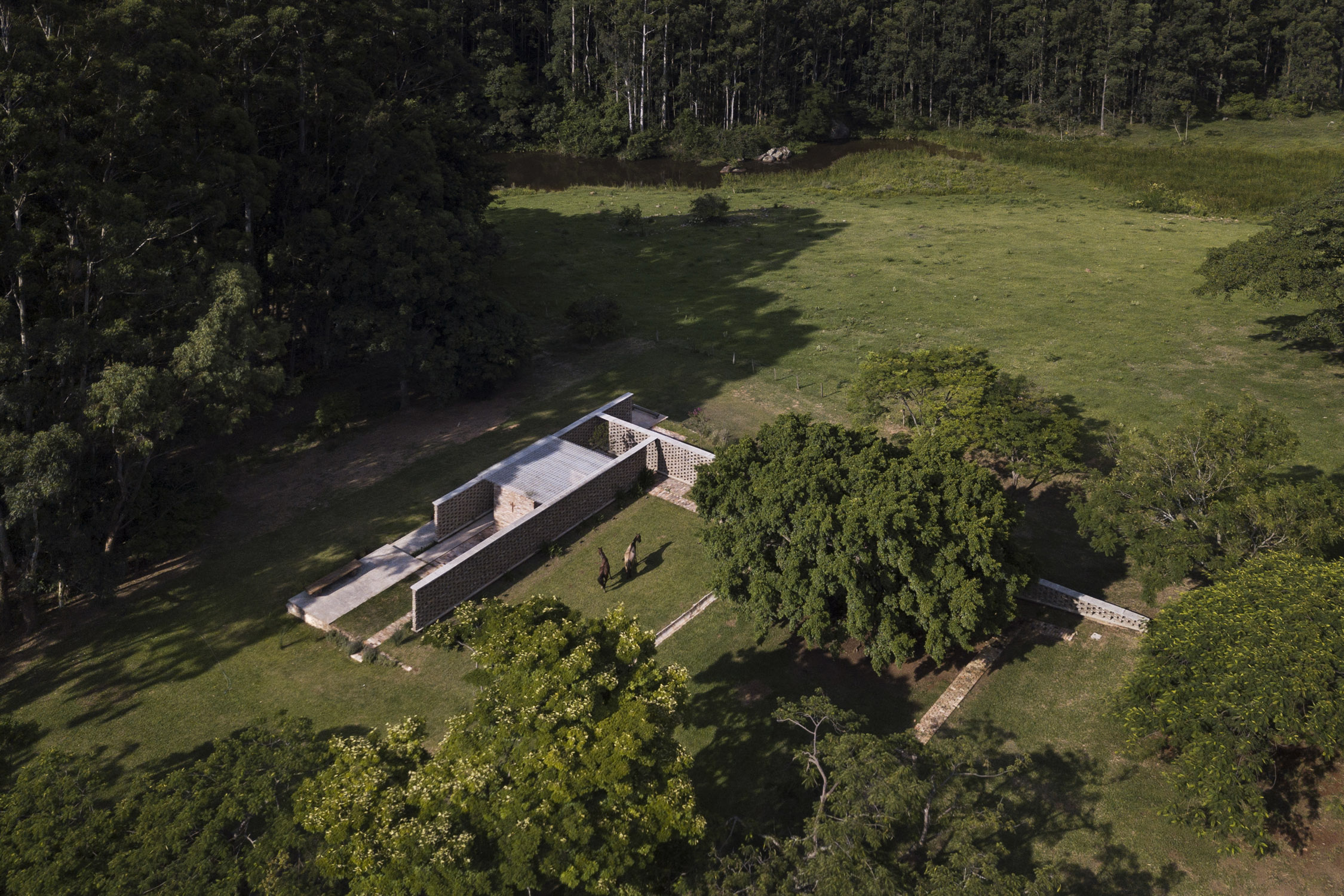
The Ingá-Mirim Chapel is located on the outskirts of the city of Itupeva, 80km from São Paulo, on a 19th-century estate. We were asked to renovate the former local colonial estate to make it an environment that responds to local celebrations of religious importance.
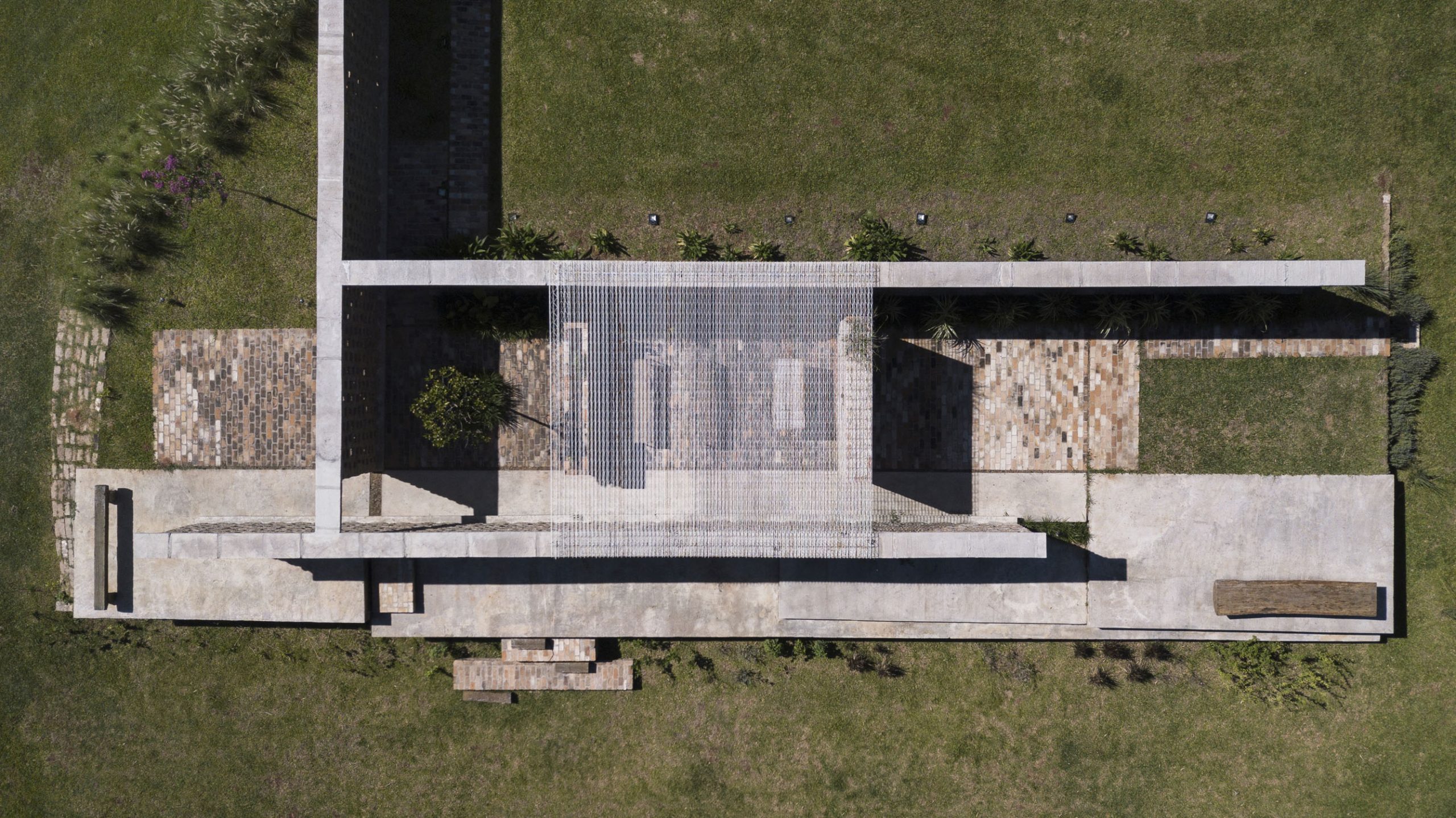
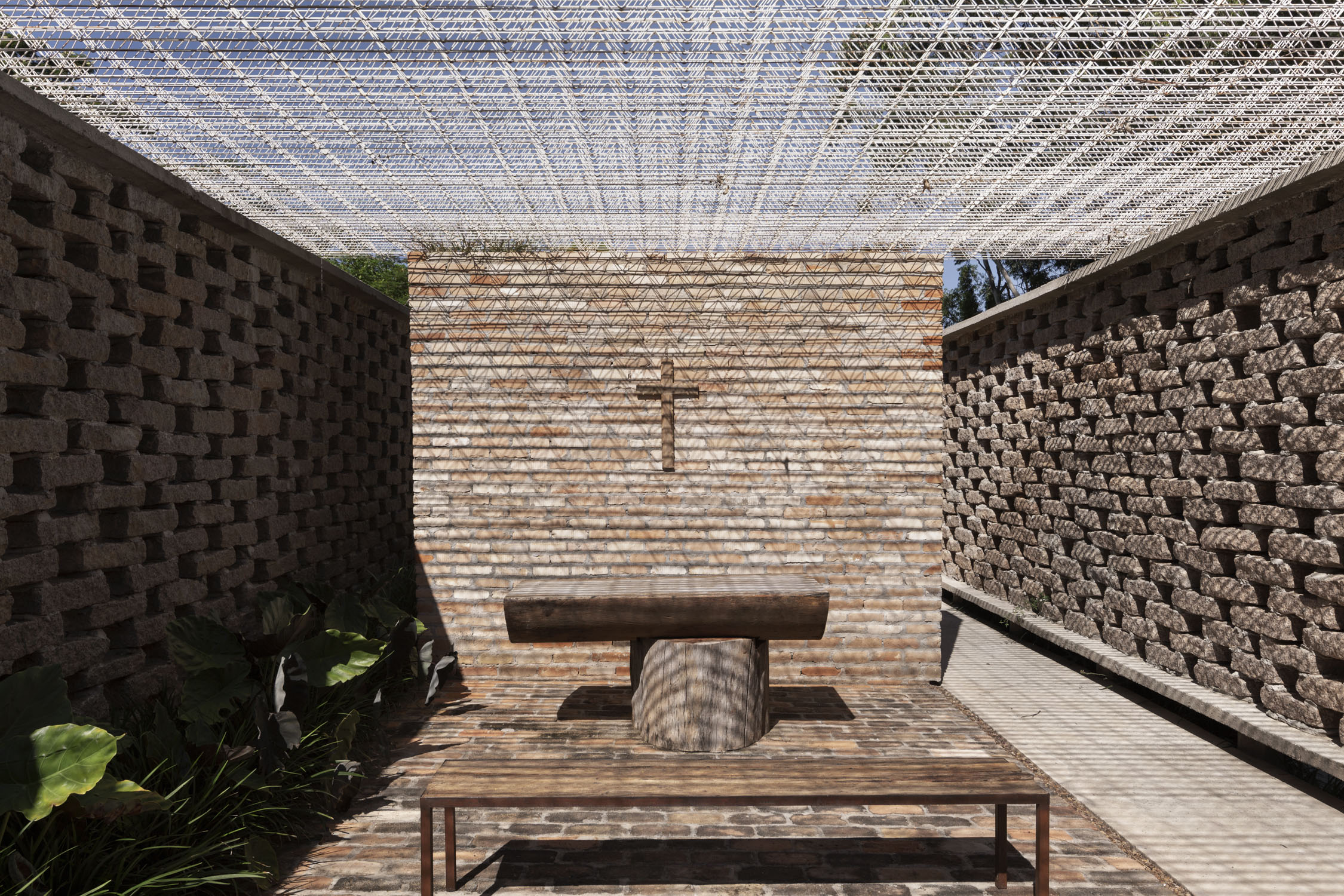
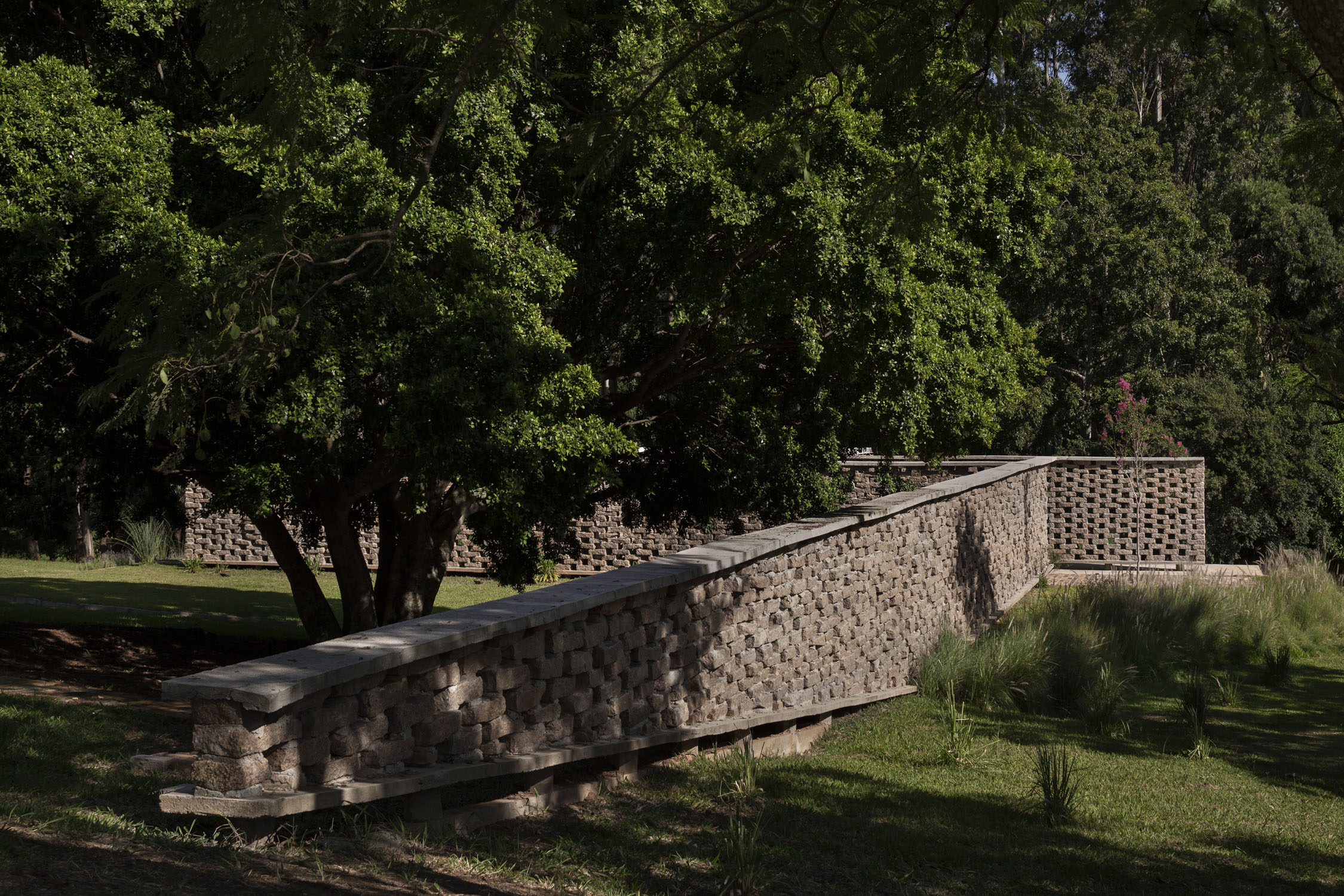
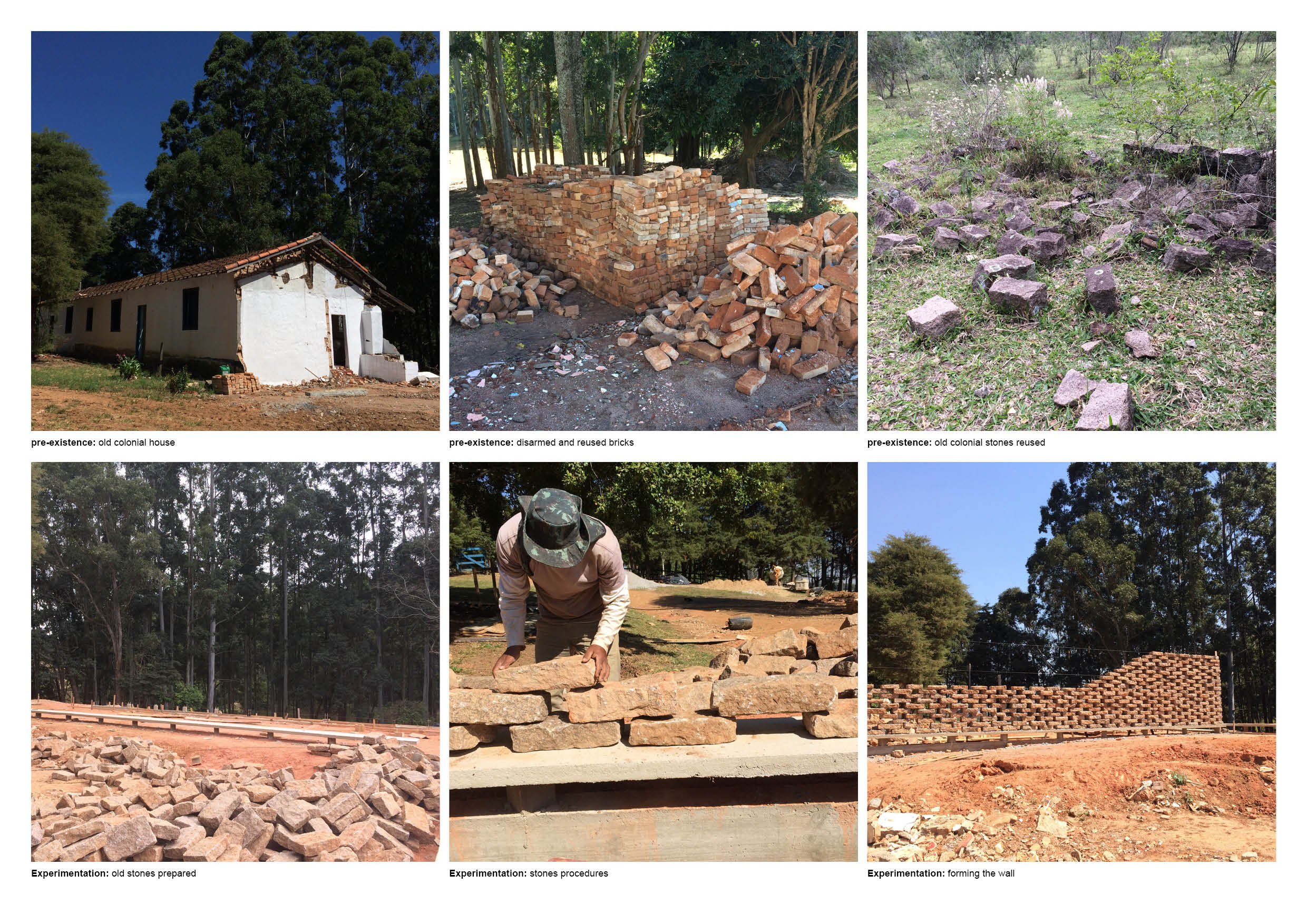
We understand the idea of the architectural reform as an opportunity to reinterpret pre-existing colonial construction, enabling new relationships between the project and the landscape. Therefore, as an act of reflection, we decided to disarm the materials of the old colonial estate in the design of the Ingá-Mirim Chapel in order to reuse them and to give them new conditions.
The construction was carried out in collaboration with the farm caretakers, the brothers Carlos and Charles, who previously worked in construction and now do the local preservation work. With them we experimented with how we could, through their own knowledge, reuse the materials of the old local buildings. Under these conditions, the construction process followed the schedule of the daily activities such as mowing, releasing horses or feeding cattle.
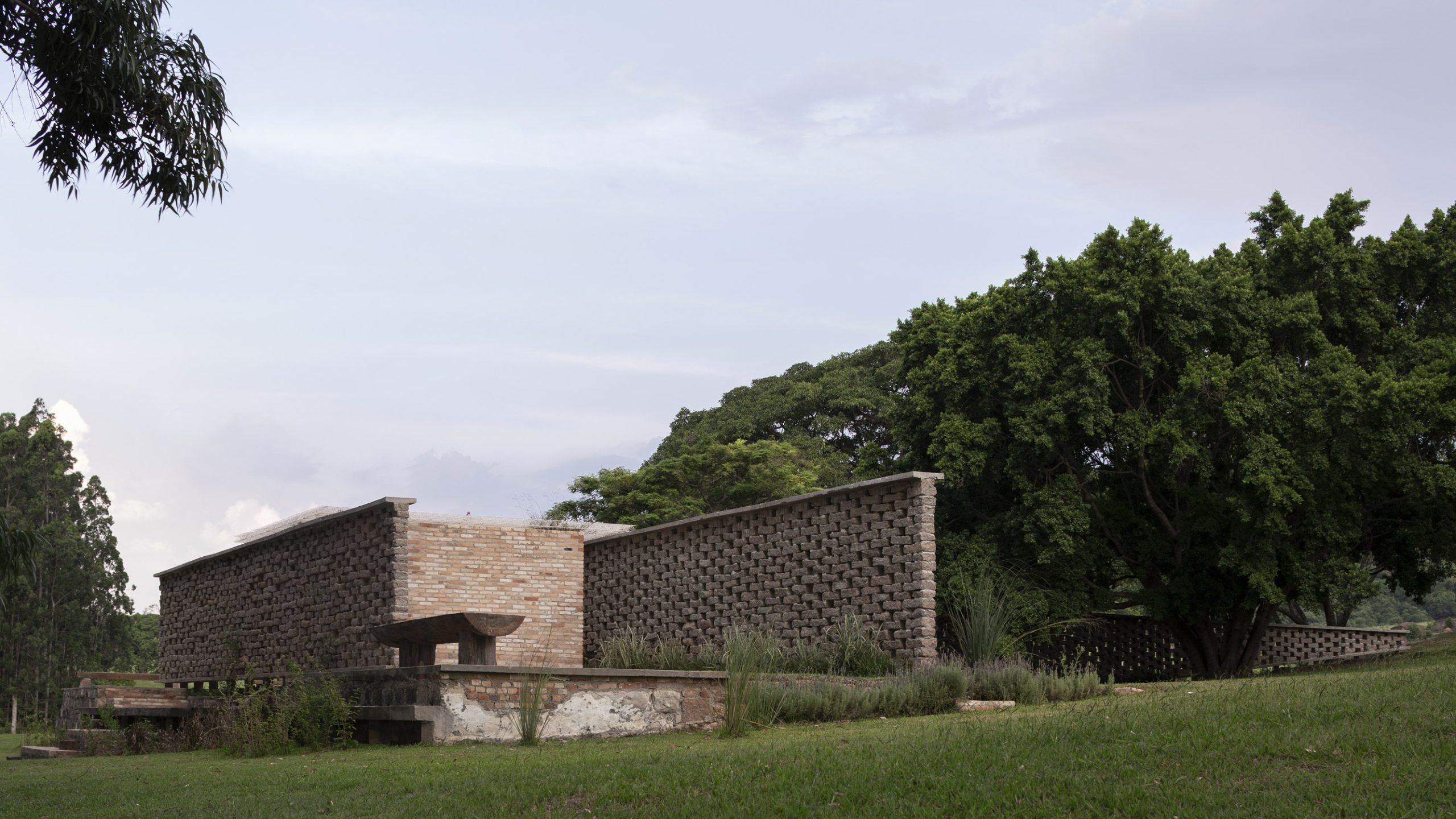
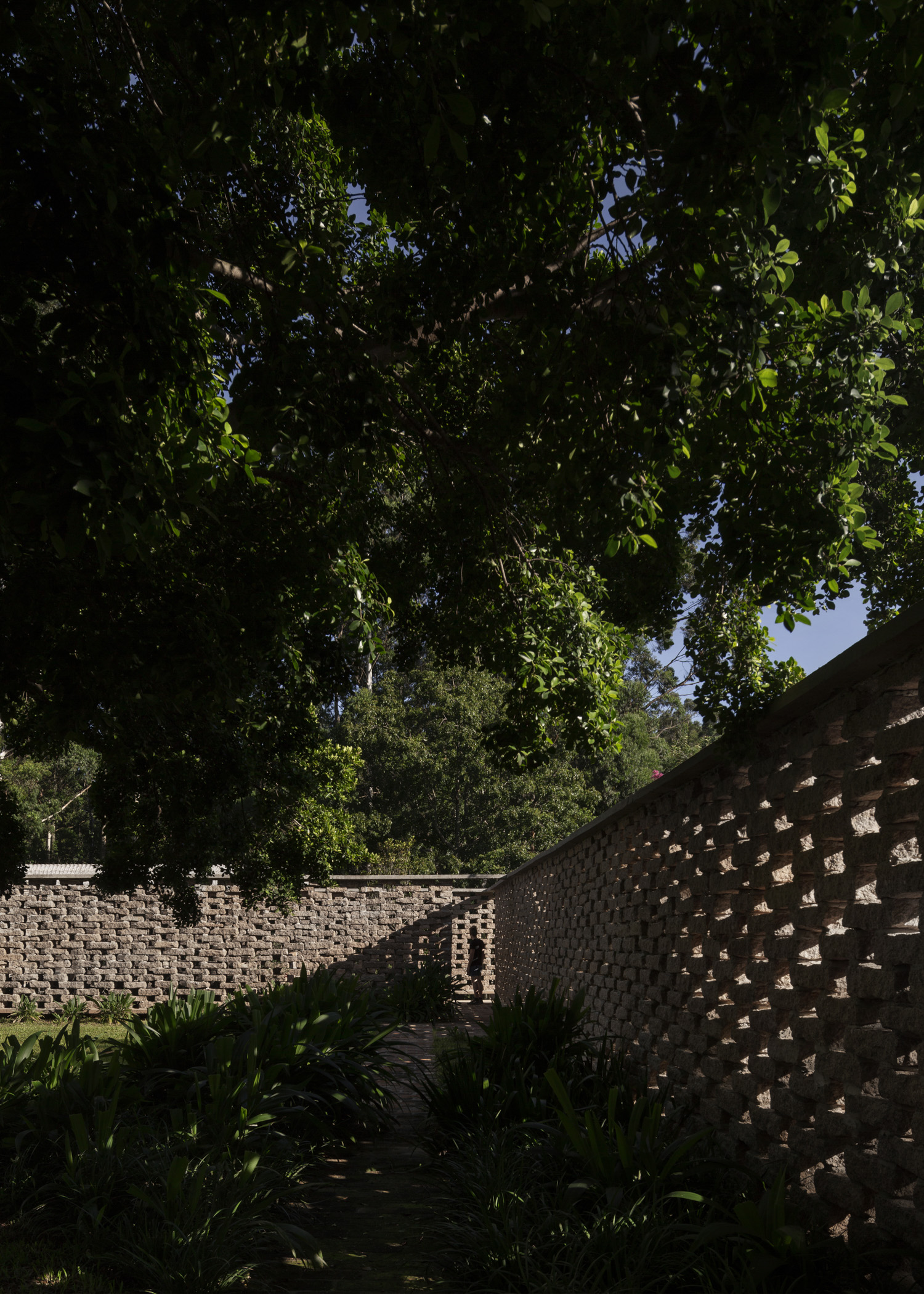
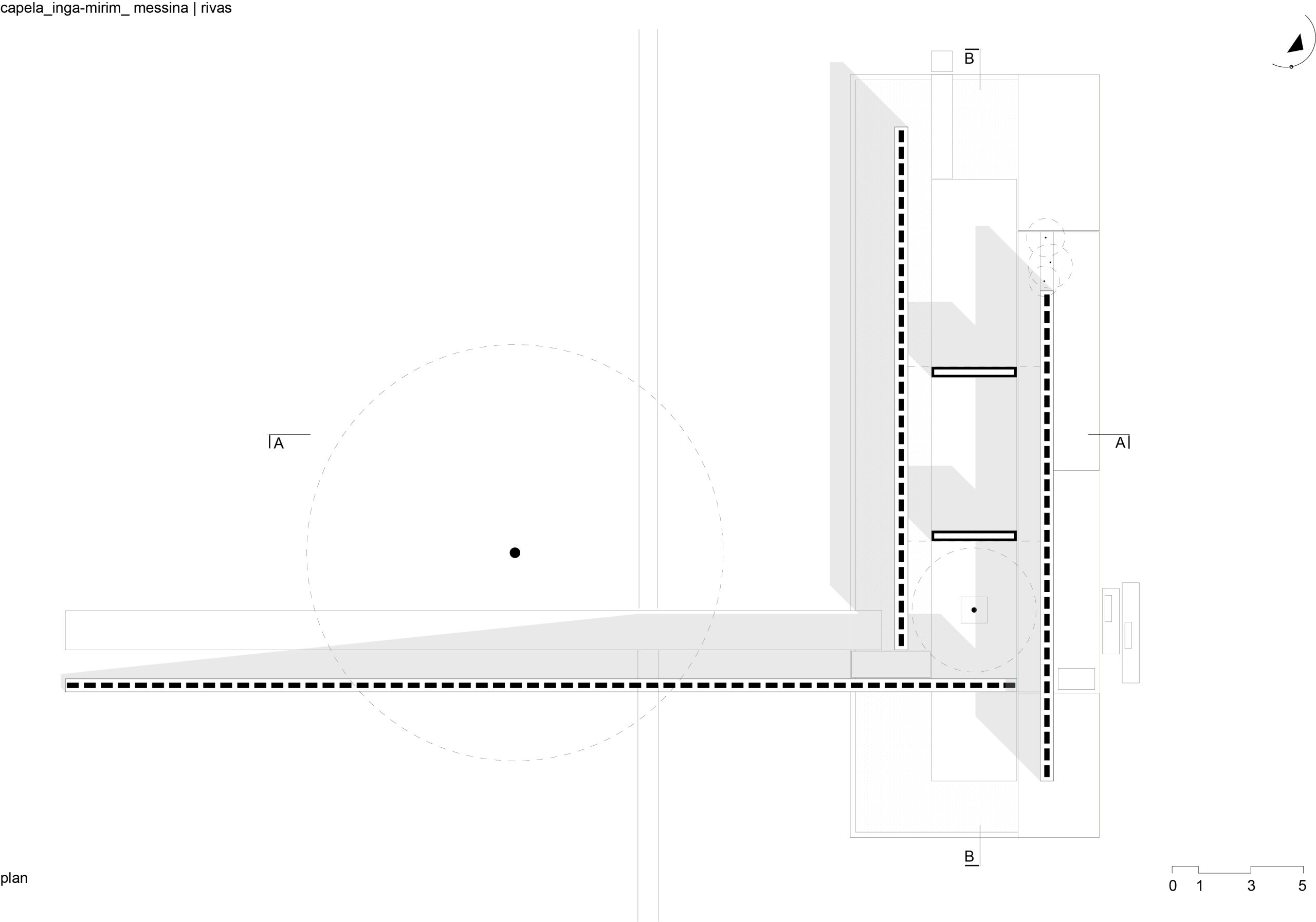
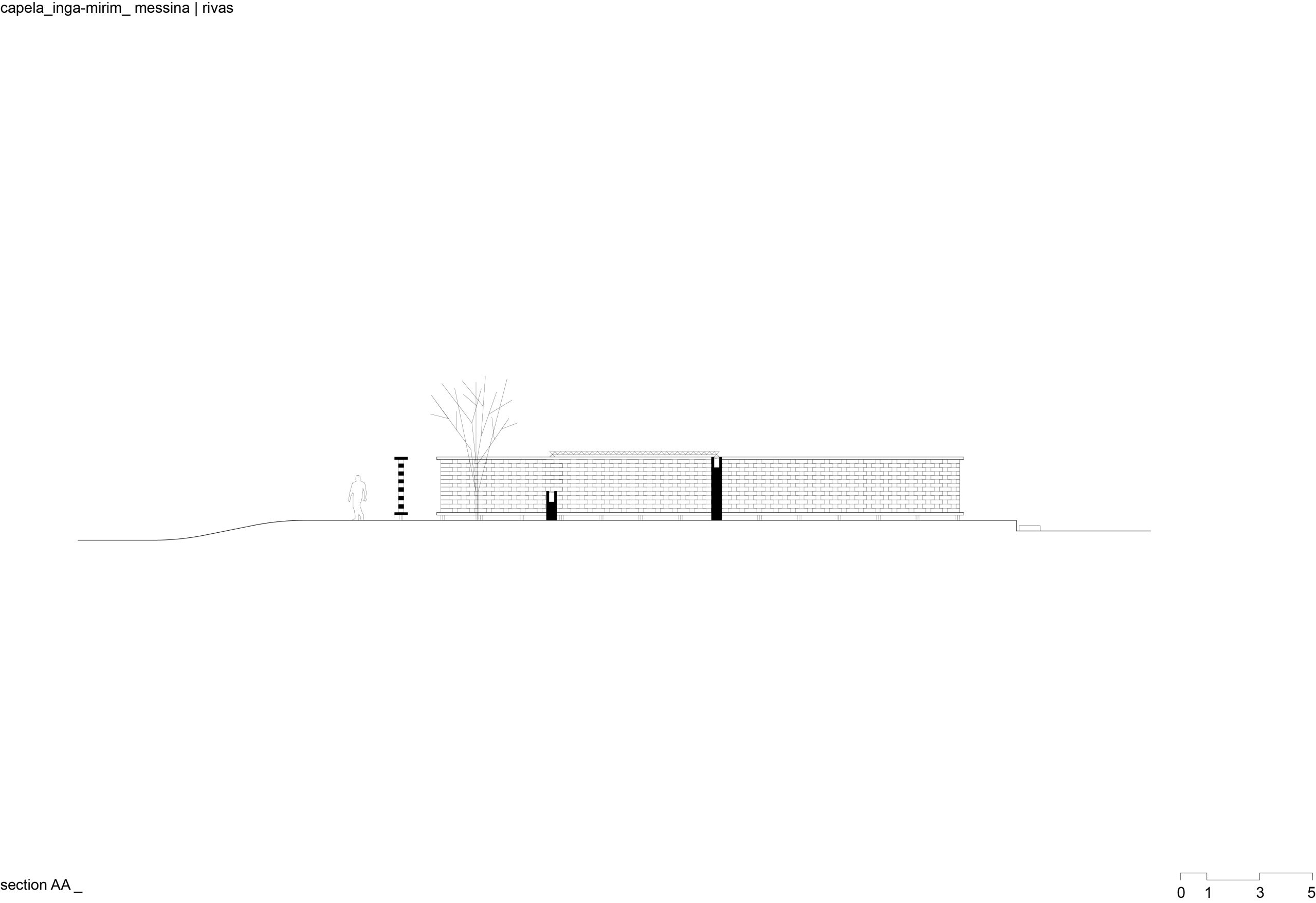
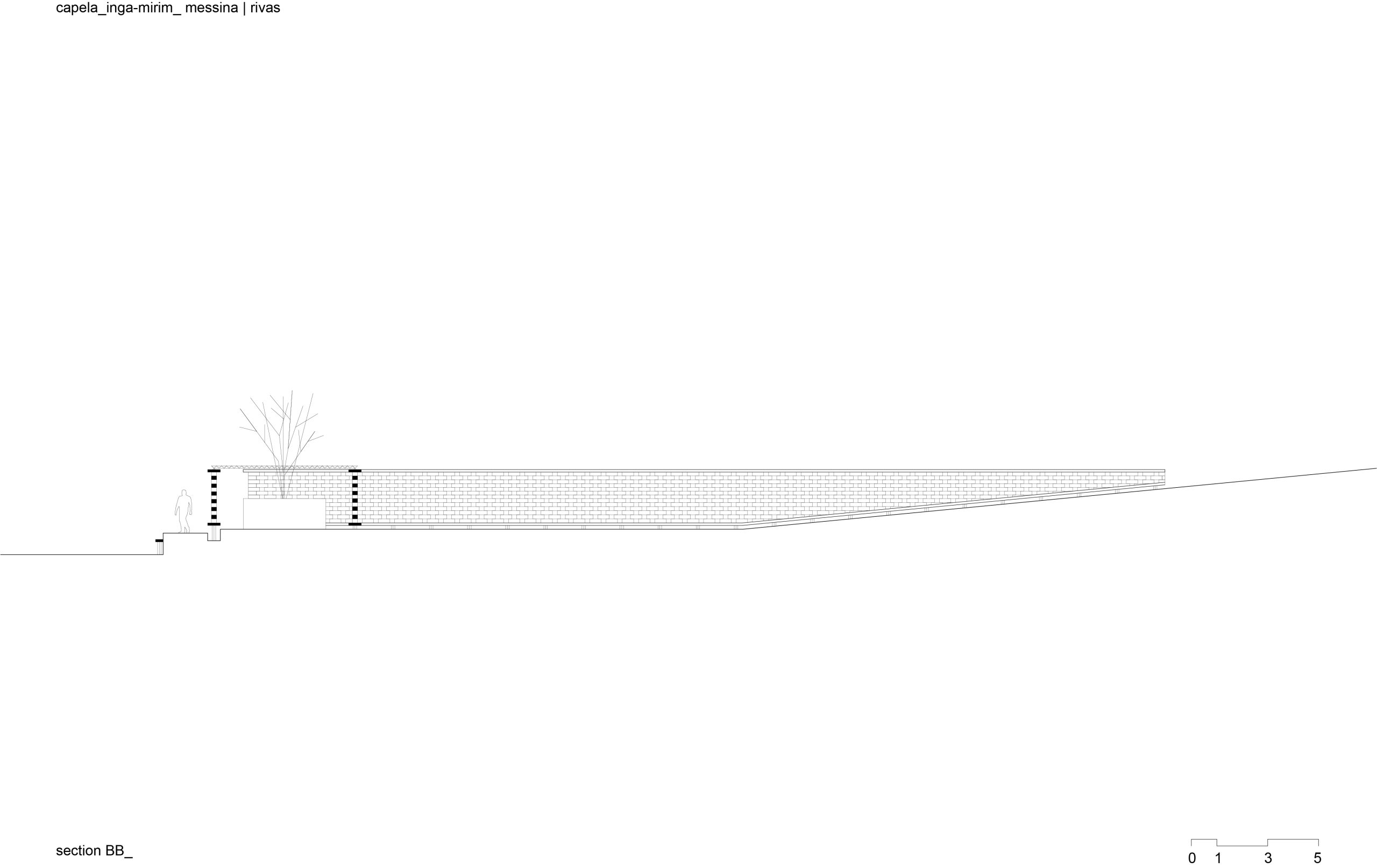
Using the foundation of the pre-existing construction, the project is based on three stone walls used in the old road that allowed access to the farm. Between these three walls, the unarmed bricks of the estate define a path that leads through spaces that seek continuity between construction and landscape, thus suggesting an open religious enjoyment.
about the category
Although the ingá mirim chapel is located on a private land, where an individual can choose to turn the light on or off as they please, we are skeptical of the category we chose in the award, because the very notion of private and collective in the project is ambiguous.
Not only because its architecture is broad enough to accommodate the most diverse religions, but especially because the notion of user is expanded in the site. Over time, besides people who live in the farm, animals and plants started to enjoy the spaces offered by the chapel.
Horses and cows, for example, feed on the special landscaping of native forest. Birds make nests among the rocks to protect their babies from rainwater, direct sunlight and predators. In addition, unplanned plants proliferate in the joints between the different materials, serving as involuntary breaths of nature that allow unexpected growth of grass, vines, fruit trees or even large fig trees.
Not to speak of the story behind the region’s winds, which are strong enough to knock down millenary trees, but through the cracks in the stone walls of the chapel give rise to chants that sound like whistles.
Who inhabits a place? We understand that the Ingá Mirim Chapel project proposes to expand the notion of private, to explore a collective sense, because in the end, the collective is more-than-human.